The Government has signalled a willingness to look again at the long-standing Croydon Area Remodelling Scheme (CARS), as a cross-regional campaign highlights the potential role of improved rail capacity in supporting growth, investment and connectivity along the Brighton Main Line and Thameslink corridor.
The issue was raised in the House of Commons on 2 September, when Croydon East MP Natasha Irons asked the Prime Minister to look again at CARS and the wider Croydon rail bottleneck.
The Prime Minister said he would ask No. 10 North to make contact with Ms Irons so that they could look at getting the scheme “back on track”.
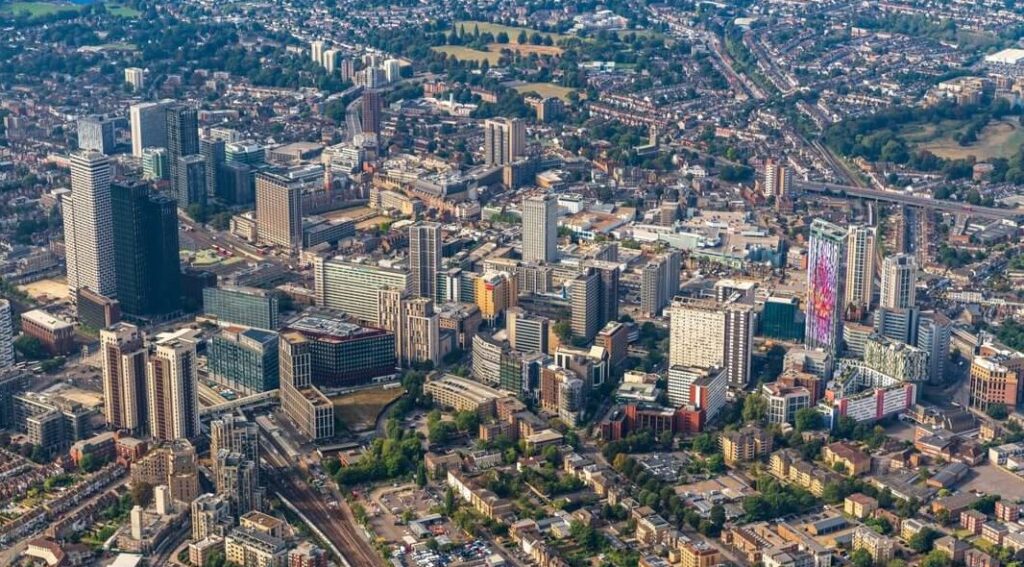
CARS forms part of wider proposals to address capacity and operational constraints around East Croydon and the Selhurst Triangle, including changes to track layouts and an expansion of East Croydon station from six to eight platforms. Previous modelling presented to Parliament estimated that addressing the bottleneck could unlock around £5.1bn of economic value over 20 years, with the scheme potentially creating capacity for four to six additional trains an hour and around 15% additional peak capacity.
East Croydon is a critical interchange on the Brighton Main Line and Thameslink network, connecting London and the South Coast with Gatwick, Luton, Bedford, Peterborough and Cambridge.
The rail bottleneck is particularly significant for the Gatwick Region, as every rail service between London and Gatwick passes through East Croydon. The potential growth of Gatwick Airport, alongside wider development and investment along the corridor, has increased the focus on whether the existing rail network can support future demand.
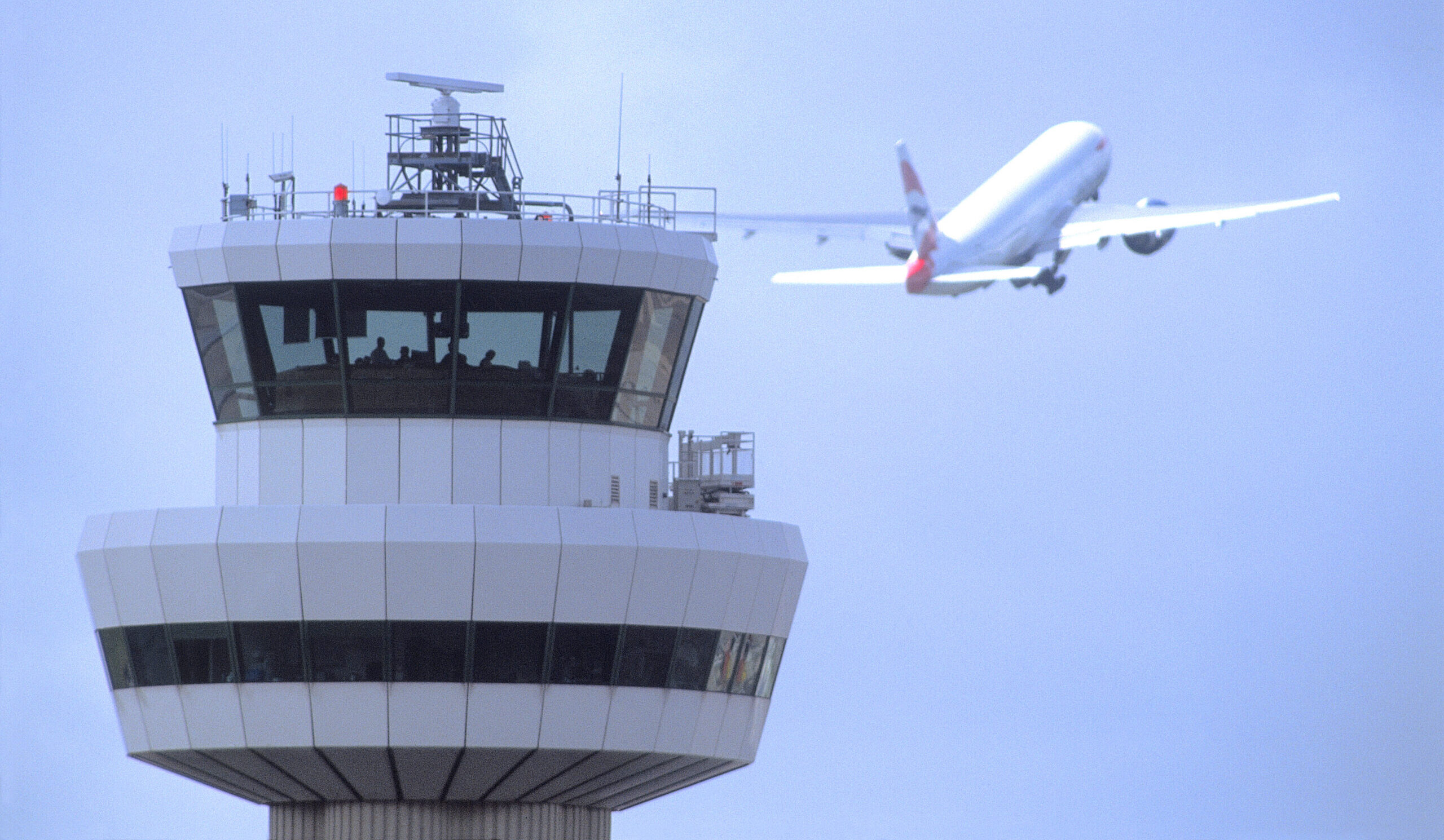
London Gatwick’s £2.2bn Northern Runway Programme is expected to increase airport capacity and support around 14,000 jobs, with an estimated £1bn annual economic benefit. Greater rail capacity through Croydon is therefore being discussed in the context of the wider connectivity needed to support future growth across the region.
Croydon Council also identifies the Brighton Main Line and CARS as important to improving capacity and reliability while supporting new homes and jobs around the East Croydon corridor.
The renewed focus on CARS forms part of a broader campaign involving public and private sector organisations across the corridor.
Invest in Croydon has supported calls for greater transport investment, while the South London Partnership has highlighted the wider connectivity needs of South London through its Mind the Gap: Connecting South London strategy.
The campaign brings together organisations with an interest in the performance of the wider corridor, including transport operators, local authorities, businesses and major regional assets.
With demand for rail connectivity expected to continue evolving alongside major investment projects across the South East, supporters of CARS argue that the case for addressing the Croydon bottleneck should be considered in terms of its wider economic and strategic impact, rather than as a standalone transport project. Natasha Irons made a similar case during a March 2026 Westminster Hall debate, describing the corridor as an important connection between investment, infrastructure and growth.
For the Gatwick Region, the issue highlights the importance of effective connections between international gateways, major employment centres and growing investment locations.
As London Gatwick prepares for future growth and the region continues to promote investment opportunities across Kent, Surrey, Sussex, Brighton & Hove and Croydon, transport capacity remains an important part of the infrastructure needed to connect businesses, communities and markets.
The latest Government response does not represent a funding commitment for CARS, but it marks a further step in the ongoing discussion around the scheme and the wider strategic role of the Brighton Main Line.